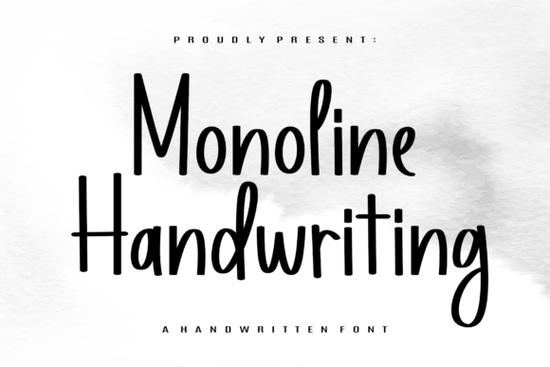
Finding a typeface that balances casual charm with professional readability can be tough for everyday design projects. The Monoline Handwriting Font solves this by offering a fluid, single-weight style that looks completely natural on the page. Whether you are designing wedding invitations, branding for a small bakery, or custom t-shirts for your print-on-demand shop, this script font brings a warm, personal touch without sacrificing legibility.
How does a monoline style improve everyday readability?
When you look at traditional calligraphy, the thick and thin strokes can sometimes make small text hard to read. A monoline style keeps the stroke width consistent from start to finish. This uniformity makes the letters incredibly easy to scan, which is exactly what you need when creating product labels, social media graphics, or website headers. It gives your work a relaxed, approachable vibe while keeping the message clear. Because the weight never changes, the text remains crisp even when scaled down for smaller items like sticker designs or jewelry tags.
What types of projects work best with this typeface?
Because of its clean and versatile nature, this typeface adapts to almost any creative need. Here are a few ways crafters and small business owners use it:
- Wedding stationery: It looks beautiful on save-the-dates and menu cards without feeling overly formal or stuffy.
- Apparel and merch: The clean lines print clearly on t-shirts, tote bags, and mugs without losing their shape.
- Brand logos: It works perfectly for lifestyle brands, cafes, and boutique shops looking for a friendly, accessible identity.
If you need a slightly bolder look for your apparel and want the text to stand out from a distance, you might also want to explore the heavier weight scripts collection to see how different stroke widths change the overall feel of your merchandise.
How does it compare to other popular script styles?
Every project has a different mood, and choosing the right lettering is crucial for setting the right tone. If you are working on a high-end bridal suite and need something with a bit more dramatic flair, the Violyn Wedding Thivoria offers those elegant, sweeping connections. On the other hand, if you are designing a fun, summery product line, the Vacation Sunday brings a playful, retro energy. For a more formal, signed look on certificates or official letters, the Risemotion signature provides that authentic pen-on-paper feel. The Monoline Handwriting Font sits right in the middle, giving you everyday versatility that doesn't lean too far into any single extreme.
Are there any tips for pairing it with other fonts?
To make your designs look professionally put together, you need to pair your script with a solid secondary typeface. Since this handwriting style has a lot of personality, keep your secondary font simple and structured.
- Use a clean sans-serif for body text to maintain high readability and let the script stand out.
- Try a classic serif for subtitles if you want a slightly more traditional, editorial look.
- Avoid pairing it with another script or highly decorative font, as this will make the design look cluttered and confuse the reader.
You can find more inspiration by browsing the Monoline Handwriting Font page to see real-world examples of how other designers have successfully paired it in their layouts.
What should small business owners know about commercial use?
If you are selling physical products or digital downloads, always check the licensing terms before you start designing. Most fonts on Creative Fabrica come with a commercial license that allows you to sell physical end-products, like printed t-shirts or mugs. However, if you plan to sell digital templates where the buyer can edit the text, you usually need an extended license. Understanding these rules protects your business and ensures you are using your assets correctly.
Quick checklist before you finalize your design:
- Check the scale: Make sure the letters are large enough that the single-weight strokes don't disappear when printed on small items.
- Mind the tracking: Give the letters a little extra breathing room so the fluid connections don't overlap awkwardly at smaller sizes.
- Test the contrast: Ensure your background color provides enough contrast so the consistent stroke width remains highly legible.
- Verify your license: Confirm that your current license covers the specific way you plan to sell or distribute your final product.
Take a few minutes to type out your longest sentence in this typeface before committing to your final layout. This simple step will save you from readability issues and formatting headaches down the road.
Try It Free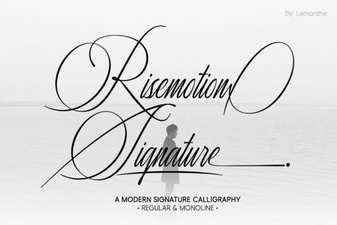 Risemotion Signature: Creative Font Designs
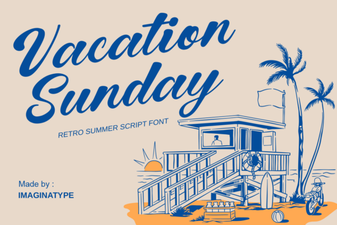 Sunday Vacation Font: Creative Design Projects
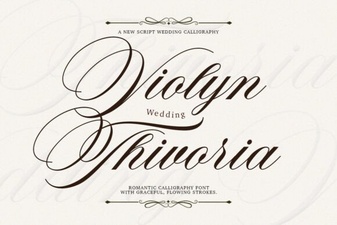 Create with the Violyn Wedding Thivoria Font
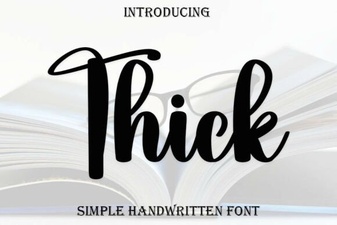 Bold Typefaces for Impactful Website Design
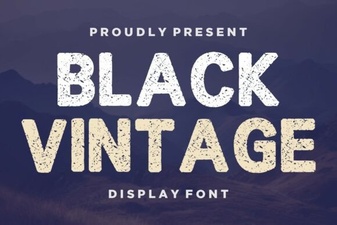 Creative Vintage Font Projects for Modern Designs
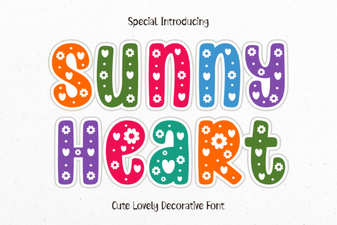 Sunny Heart Font: Creative Uses for Web Design