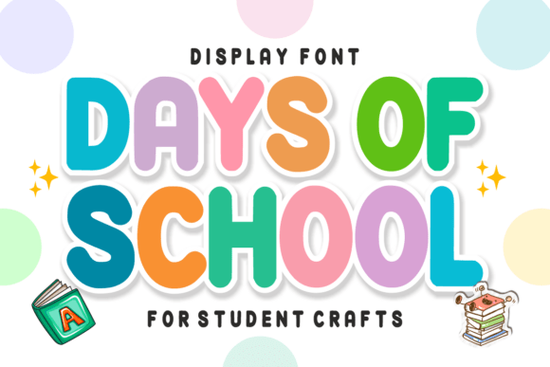
When you are putting together back-to-school materials, the typography you choose sets the entire mood for your project. The Days of School Font is a playful display typeface that captures the energetic and welcoming vibe of a classroom. With its thick, rounded strokes and friendly personality, it gives your text a hand-drawn, sticker-like appearance that students and parents instantly connect with. Whether you are a teacher making worksheets or a print-on-demand seller designing kids' apparel, this typeface brings a cheerful, readable style to your work.
What makes this typeface ideal for classroom projects?
Educational environments require materials that feel approachable and fun. This specific lettering style uses bubbly, uniform shapes that remove the intimidation factor often found in rigid, formal typefaces. Because the strokes are thick and well-spaced, it remains highly legible even when printed on large formats like welcome banners or hallway signs.
If you are decorating a reading nook and want a slightly different vibe, you might explore a retro-inspired typeface to give the space a cool, 1970s aesthetic. Alternatively, if you are focusing on an art room, a textured brush style can mimic the look of actual coloring tools, adding a messy, creative charm to your posters.
How can crafters and sellers use this style effectively?
Print-on-demand sellers and digital crafters can get a lot of mileage out of this cheerful lettering. The sticker-like quality makes it perfect for sublimation designs, where the bold outlines translate beautifully onto fabric. Here are a few practical ways to apply it in your shop or classroom:
- First day of school shirts: Pair the lettering with simple graphics like apples, buses, or backpacks for cute kids' apparel.
- Teacher planners and stickers: Use it for section headers in digital or printable planners to keep the layout looking friendly.
- Classroom name tags: The clear, rounded letters are easy for young children to recognize when they are finding their desks.
- Scrapbook pages: Add a nostalgic yet playful touch to memory books documenting the school year.
For projects that require a more traditional or historical school theme, such as a literature class project on classic novels, you could use a classic antique lettering style instead. And if you are designing materials for a mythology unit, an epic mythological typeface will give your worksheets a dramatic, storybook feel.
Is it easy to read for younger students?
Readability is the most critical factor when designing for early education. The Days of School typeface excels here because it avoids overly complex ligatures or confusing letterforms. The distinct shapes of the lowercase and uppercase characters help emerging readers differentiate between similar letters. It strikes a great balance between being decorative enough to be fun and simple enough to be educational.
What should I keep in mind when designing with bubbly lettering?
While this style is incredibly versatile, it works best when used strategically. Because the letters are so bold and take up a lot of visual space, they can overwhelm a design if overused. Reserve this typeface for headlines, short phrases, and focal points.
When pairing it with other text, choose a clean, simple sans-serif for your body copy. This creates a nice visual hierarchy. Also, pay attention to your line spacing. Bubbly letters need a bit more breathing room between lines than standard fonts to prevent the thick strokes from bleeding into each other.
Quick Design Checklist for Back-to-School Projects
Before you finalize your files for printing or uploading to your shop, run through this quick checklist:
- Check the contrast: Ensure your text color stands out clearly against your background, especially for classroom signs that need to be read from a distance.
- Test the scale: Print a small test page to make sure the thick strokes do not fill in or become muddy when scaled down for smaller items like stickers.
- Verify the licensing: Confirm your commercial license covers the specific products you plan to sell, especially for physical items like t-shirts.
- Keep it simple: Limit your color palette to two or three bright, school-themed colors to let the playful lettering stand out.
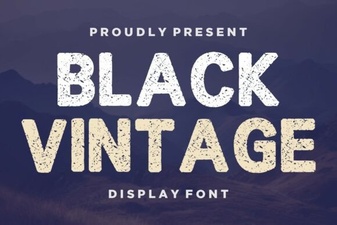 Creative Vintage Font Projects for Modern Designs
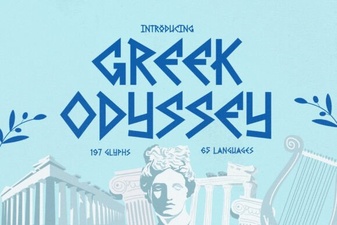 Design with the Greek Odyssey Font
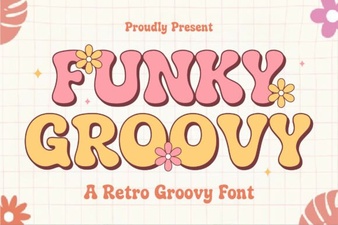 Funky Groovy Fonts for Creative Projects & Design
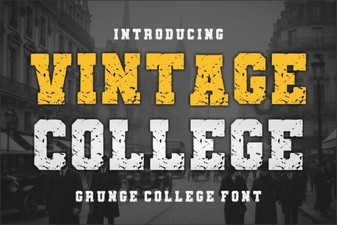 Vintage College Font Styles for Modern Design
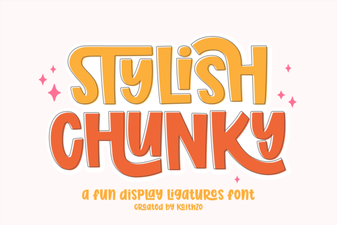 Chunky Font Designs for Bold Web Projects
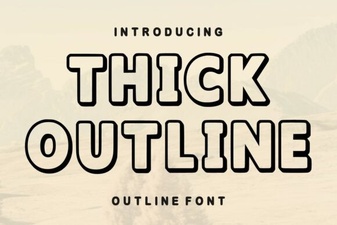 Thick Outline Fonts: Bold Design Styles & Uses